Despite this widespread adoption, many operators and buyers don't fully understand how these machines work internally. This knowledge gap leads to poor machine selection, missed revenue opportunities, and avoidable operational headaches. This guide breaks down what a smart vending machine actually is, how it works from customer tap to back-end data sync, and what makes it a viable business asset.
Key Takeaways
- Smart vending machines are IoT-connected, touchscreen-enabled retail units accepting cashless payments and tracking inventory in real time
- Four-stage operation: customer selection, payment processing, product dispensing, and automatic inventory update
- Core features include remote monitoring dashboards, automatic restock alerts, sales analytics, and encrypted payment systems
- Product range covers snacks, beverages, frozen goods, dairy, electronics, and personal care items — with temperature control where needed
- 24/7 operation with minimal labor makes them a low-overhead, profitable model for operators of all sizes
What Is a Smart Vending Machine?
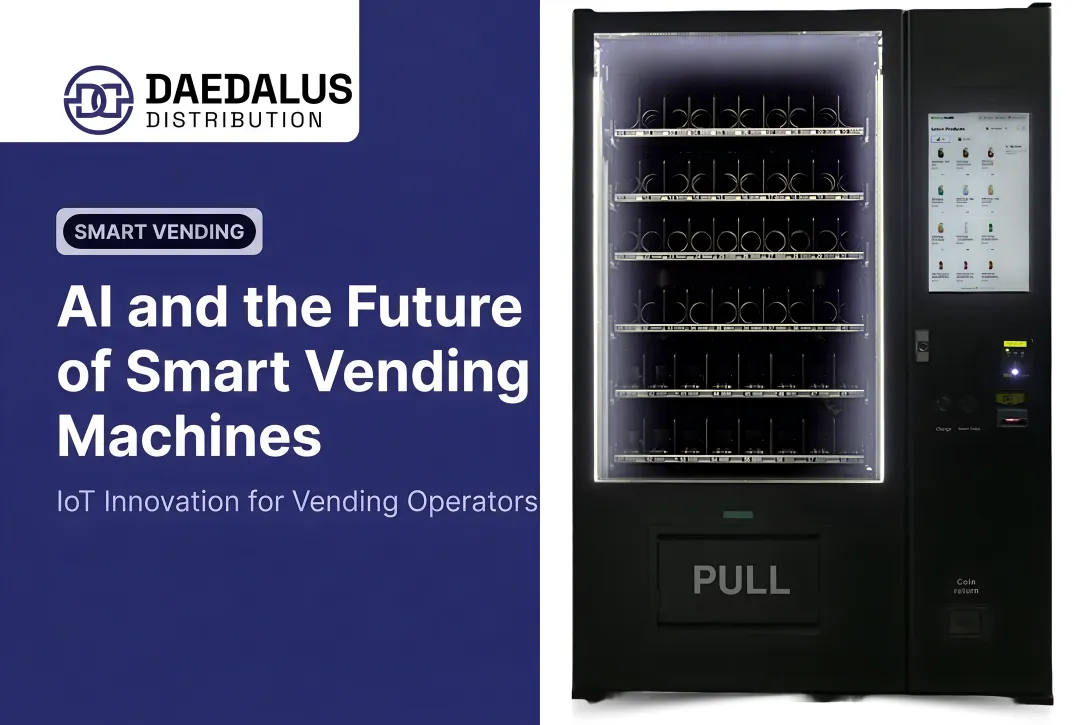
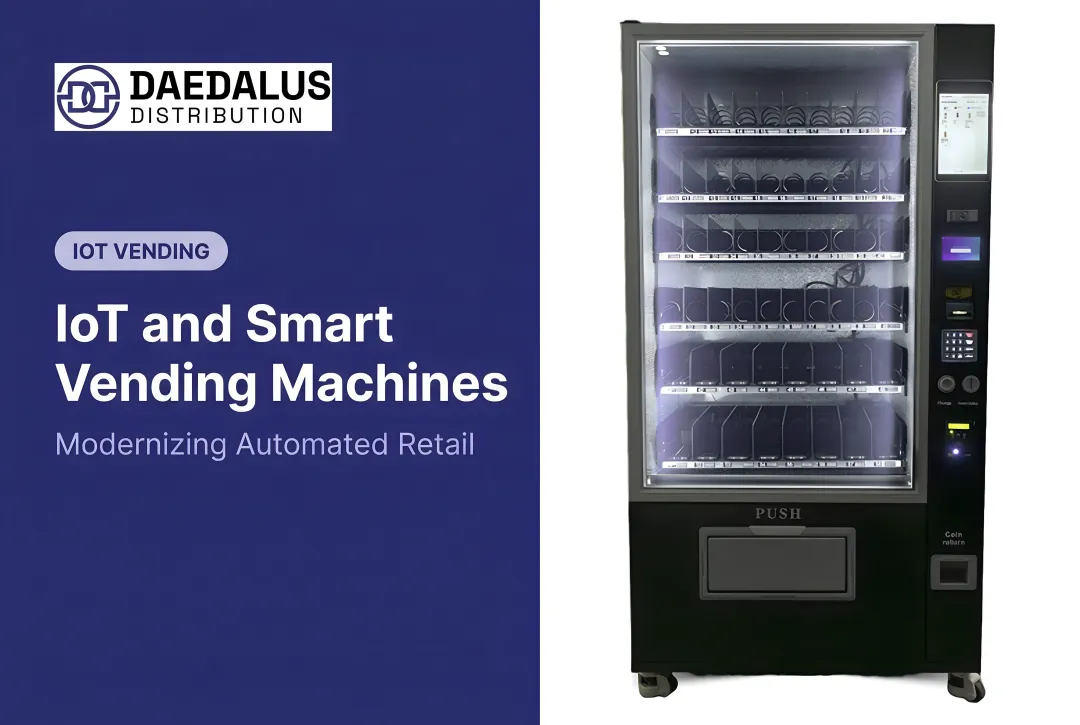
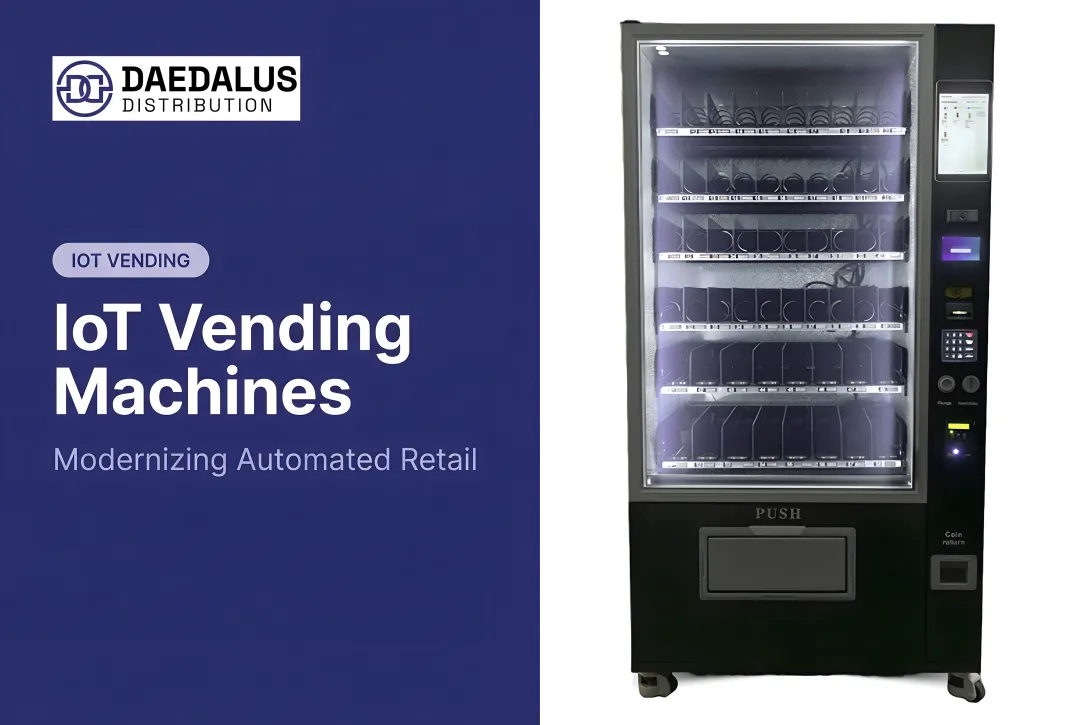
A smart vending machine is an internet-connected, sensor-equipped automated retail unit that dispenses products, processes digital payments, and transmits real-time operational data to the operator — all without human intervention on-site. Unlike traditional machines that require manual cash collection and in-person inventory checks, smart machines close that operational gap entirely.
Smart vending machines exist to solve specific problems: traditional units offered zero sales visibility, required frequent physical visits for restocking and cash collection, and left operators guessing which products were selling. Smart machines eliminate these inefficiencies through continuous connectivity and automated reporting.
A traditional machine retrofitted with a basic card reader doesn't qualify. The defining characteristics are the combination of IoT connectivity, real-time data reporting, and remote management capability — not just digital payment acceptance.
Some sources distinguish between "smart" and "intelligent" vending machines, suggesting the latter includes AI-driven personalization and predictive analytics. Market research firms treat them as the same category, and for most operators, smart vending machines represent the practical, profitable standard.
Today's smart vending machines handle a wide range of products, including:
- Snacks, beverages, and fresh food
- Frozen goods and dairy products
- Electronics and personal care items
Internal configurations adapt — temperature-controlled compartments for perishables, specialized dispensing for fragile items — but the underlying operating logic stays consistent.
How Does a Smart Vending Machine Work?
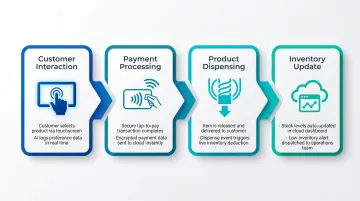
A smart vending machine moves through four distinct stages — each one triggering both a customer-facing action and a back-end data event that keeps operators informed in real time.
Customer Interaction
The process begins when a customer approaches the machine. The touchscreen activates (often via motion sensor or tap), and the user browses the product catalog through an interactive display designed to be familiar to anyone who's used a tablet.
At this stage, the interface can surface:
- Product information and nutritional details
- Current pricing and any active promotions
- Multiple language options for diverse locations
- Accessibility features for users with disabilities
Payment Processing
After selecting a product, the customer completes payment via credit/debit card, mobile wallet (Apple Pay, Google Pay), NFC tap, or QR code. Cashless transactions now account for 71% of all U.S. vending sales, with 77% of those being contactless tap-to-pay.
Why cashless matters operationally:
- Eliminates cash handling and reduces theft risk
- Cuts transaction times at the point of sale
- Creates complete digital records of every sale
- Increases average transaction value by 26-37% compared to cash purchases
Modern smart vending machines must support EMV contactless compliance for unattended transactions. Legacy magnetic stripe readers face declines and potential fines from card networks.
Product Dispensing
Once payment is verified, the machine's control unit signals the dispensing mechanism — typically a motor-driven coil, elevator tray, or conveyor belt depending on product type. Sensors verify the item has been successfully dispensed before closing the transaction.
For temperature-sensitive products like frozen goods or dairy, the machine maintains the appropriate environment throughout. The Elevend Multivend 22, for example, is specifically configured for dairy and fragile items, while the Omnivend Combo models handle standard snacks and beverages.
Inventory Management and Remote Monitoring
After each transaction, the machine automatically:
- Deducts the sold item from its inventory count
- Logs the sale with a timestamp and product details
- Transmits this data to a cloud-based management platform
Operators access this information from any browser or mobile device. Low-inventory alerts trigger automatically when stock drops below configurable thresholds, giving replenishment teams advance notice before slots go empty. Operators can view sales trends, peak purchase times, and top-selling products without visiting the machine.
Vendekin-powered machines, available through Daedalus Distribution in the U.S., include remote inventory tracking and sales data reporting as standard features — giving operators the visibility to manage profitable routes without constant site visits.
Key Features of a Smart Vending Machine
IoT Connectivity
Internet connectivity is the foundation of everything a smart vending machine does. It enables real-time data sync, remote management, automatic alerts, and software updates without requiring a technician visit. Machines connect via cellular modem or Wi-Fi, transmitting data using industry-standard protocols like NAMA VDI 2.0.
Touchscreen Interface
The interactive display replaces the old button-grid layout. Customers can browse products, read descriptions, view pricing, and complete transactions in a few taps. Screen quality and responsiveness directly impact conversion rates — a sluggish or unclear interface costs sales.
Screen sizes vary by model:
- Omnivend Combo 10: 10-inch touchscreen for compact locations
- Omnivend Combo 22: 22-inch display for high-traffic areas
- Elevend Multivend 22: 22-inch touchscreen optimized for diverse product categories
Cashless Payment Systems
Modern smart vending machines accept credit/debit cards, NFC mobile wallets, and QR codes. Cash now accounts for only 14% of U.S. consumer payments, and contactless payments represent over 75% of Mastercard network transactions.
Machines without cashless capability miss real money: research from William Blair shows cashless transactions average $2.24 versus $1.78 for cash — a 26% higher average transaction. That revenue difference compounds fast across a multi-machine route.
Remote Monitoring and Analytics Dashboard
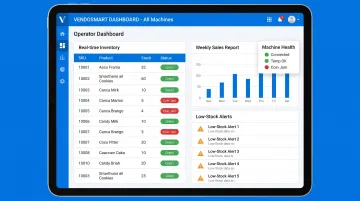
Operators can check machine status, inventory levels, sales performance, and error alerts from any device. This feature makes scaling a multi-machine route operationally feasible without proportionally increasing labor costs.
Standard dashboard features include:
- Real-time inventory tracking by SKU
- Sales reporting by product, time period, and location
- Automatic low-stock notifications
- Machine health monitoring and error alerts
Security and Reliability
Smart vending machines operate unattended in public spaces, requiring robust security:
- Tamper-resistant housing deters physical break-ins
- Encrypted payment processing protects customer data at the point of sale
- Remote locking lets operators disable a machine instantly if needed
- Diagnostic alerts flag mechanical issues before they cause downtime
Where Smart Vending Machines Are Used
Smart vending machines deliver the most value in environments with consistent foot traffic and repeat users:
- Corporate offices — Predictable traffic and demand for premium, healthier options make offices a natural fit. Employees get on-site access to snacks and beverages without leaving the building.
- Gyms and fitness centers — Protein bars, electrolyte drinks, and recovery supplements match what gym-goers are already looking for. Cashless payment aligns with how fitness-focused customers already spend.
- Hospitals and healthcare facilities — Round-the-clock operations mean staff and visitors need food access at any hour. Fresh food options often outperform packaged goods in these settings.
- Hotels and apartment complexes — Guests and residents value 24/7 convenience without a trip outside. Temperature-controlled units handling frozen meals and dairy perform particularly well here.
- Universities and schools — Students want fast, cashless access to affordable snacks between classes. High foot traffic and repeat visits keep machines consistently profitable.
Product mix should reflect the location. A gym machine stocks protein bars and sports drinks; a hospital location might carry snacks, beverages, and personal care items. For sites with fresh food, dairy, or frozen goods, temperature-controlled units like the Elevend Multivend 22 are the right fit.
Are Smart Vending Machines Profitable?
Yes. Smart vending machines generate revenue 24 hours a day with minimal labor cost. Operator expenses include the machine purchase, inventory, and occasional maintenance. Everything else — payment processing, inventory tracking, sales reporting — is automated.
Industry benchmarks: The average U.S. vending machine generates $6,284 in annual sales. Operators typically target gross margins between 40-60%, with net profit margins of 20-30% after accounting for inventory, location commissions, and route maintenance.
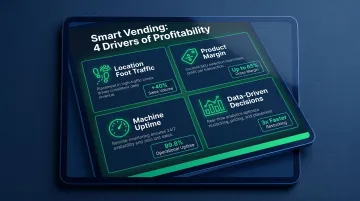
Key profitability drivers:
- Location foot traffic: High-traffic locations generate proportionally higher revenue
- Product margin: Premium products and healthier options often carry higher margins
- Machine uptime: Remote monitoring reduces downtime by alerting operators to issues before they cause outages
- Data-driven decisions: Real-time sales analytics help operators eliminate slow-moving SKUs and double-face top sellers
Cashless payment impact: Cashless options directly lift average transaction value. Cashless transactions average 26% higher ticket sizes than cash, with some studies showing increases up to 37%.
Remote monitoring also reduces service costs by enabling pre-kitting and dynamic route scheduling. Operators eliminate unnecessary trips to half-empty machines, cutting labor costs by 20-30%.
Daedalus Distribution's Vendekin machines include built-in touchscreen interfaces, real-time sales reporting, and remote monitoring tools that directly support these profitability levers. Businesses looking to start or scale a vending route in the U.S. can contact Daedalus at contact@daedalusdistribution.com or +1 843-490-2804 for support from installation through ongoing operations.
Frequently Asked Questions
What is a smart vending machine and how does it work?
A smart vending machine is an IoT-connected automated retail unit with a touchscreen interface and cashless payment capability. It operates in four stages: customer selects a product via touchscreen, payment is processed digitally, the product is dispensed automatically, and inventory is updated in real time on the operator's cloud dashboard.
What are the features of a smart vending machine?
Core features include:
- Touchscreen display and cashless payments (cards, NFC, Apple Pay, Google Pay)
- IoT connectivity for remote management and real-time inventory tracking
- Automatic low-stock alerts and cloud-based sales analytics
Together, these features support 24/7 operation with minimal on-site labor.
How do you use a smart vending machine?
Approach the machine, browse products on the touchscreen, select an item, pay via credit/debit card or mobile wallet (Apple Pay, Google Pay), and collect the dispensed product. No cash or staff interaction is required, and the transaction completes in seconds.
Are smart vending machines profitable?
Yes. Profitability depends on location, product selection, and operational efficiency. Smart machines outperform traditional units by eliminating cash handling, boosting average transaction values by 26–37%, and delivering real-time data that helps operators keep shelves stocked and machines running.
What is the difference between a smart vending machine and a traditional vending machine?
Traditional machines are coin/cash-operated with manual inventory checks and no connectivity. Smart machines are cashless and internet-connected, transmitting real-time sales and stock data so operators can adjust routes, restock efficiently, and cut unnecessary service trips.
What types of products can a smart vending machine dispense?
Smart vending machines can be configured for snacks, beverages, frozen goods, dairy products, fresh food, electronics, and personal care items. Temperature-controlled models like the Elevend Multivend 22 handle perishable products, while standard units like the Omnivend Combo series cover packaged goods.